
Learning how to interact with others is an important part of childhood development. Children learn through play, conversations, group activities, and everyday interactions with the people around them. However, some children need additional support with skills such as sharing, taking turns, following group directions, communicating with peers, or joining an activity.
For children with autism, social situations can sometimes feel confusing or overwhelming. A child may want to play with others but not know how to enter a game. They may have difficulty waiting, responding to another child, or understanding what is expected during a group activity.
At Summit Therapies, our Social Skills and Group Learning approach gives children opportunities to practice these skills in a structured, supportive environment. Through individualized ABA therapy, children can work on communication, peer interaction, cooperation, group participation, and independence based on their individual needs.
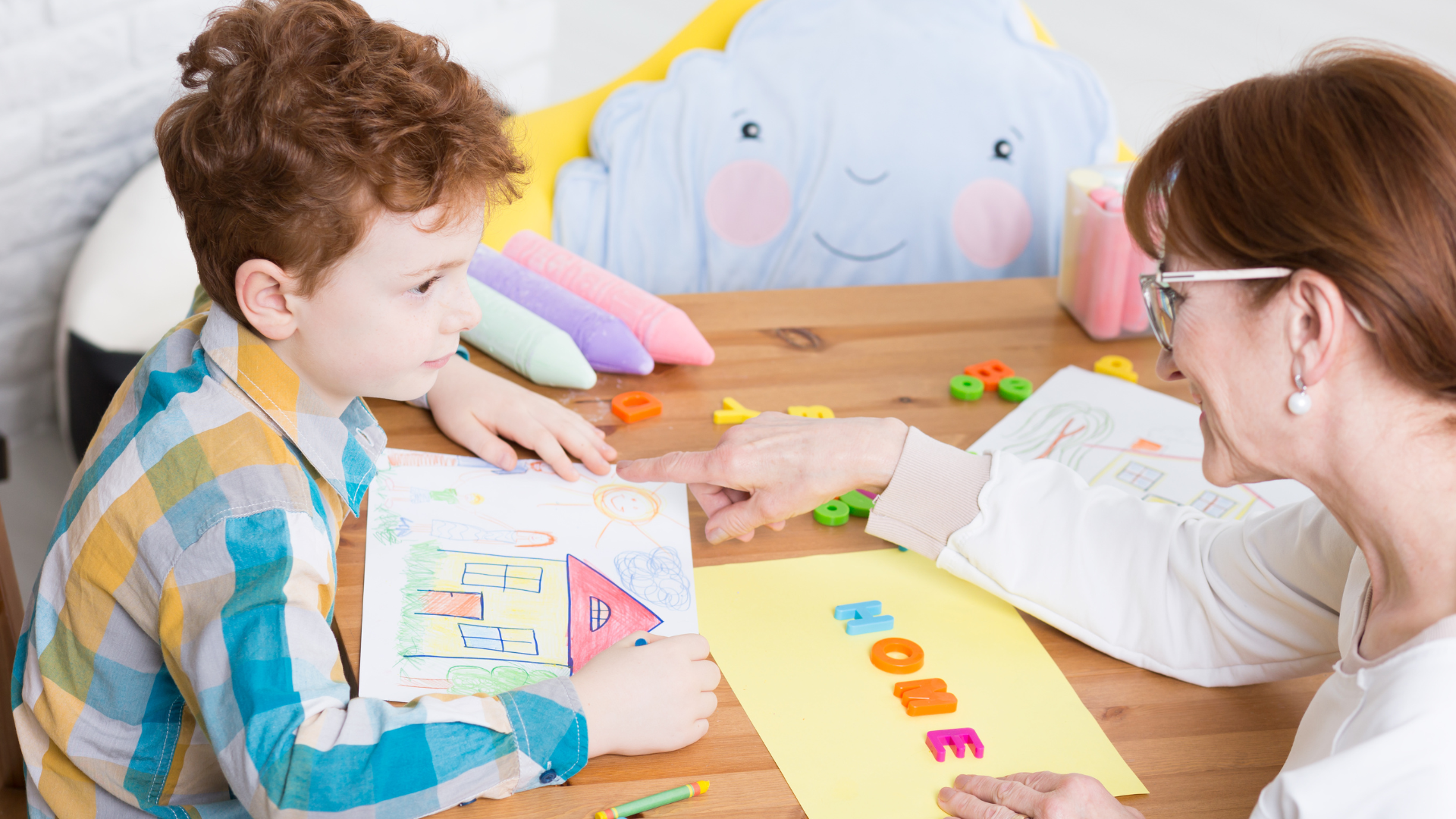
Making friends and interacting with other children involves more than simply being near peers. Children need opportunities to learn how to join an activity, respond to another child, maintain an interaction, and handle unexpected situations.
At Summit Therapies, children participate in guided group learning sessions where they can safely practice these interactions. Therapists provide support when needed while encouraging children to try new skills and build independence in social situations.
The goal is not to force children into social interactions. Instead, they can develop practical communication and interaction skills that help them participate in ways that feel meaningful and comfortable.