
In-Home & Community-Based ABA Therapy in Longwood, FL

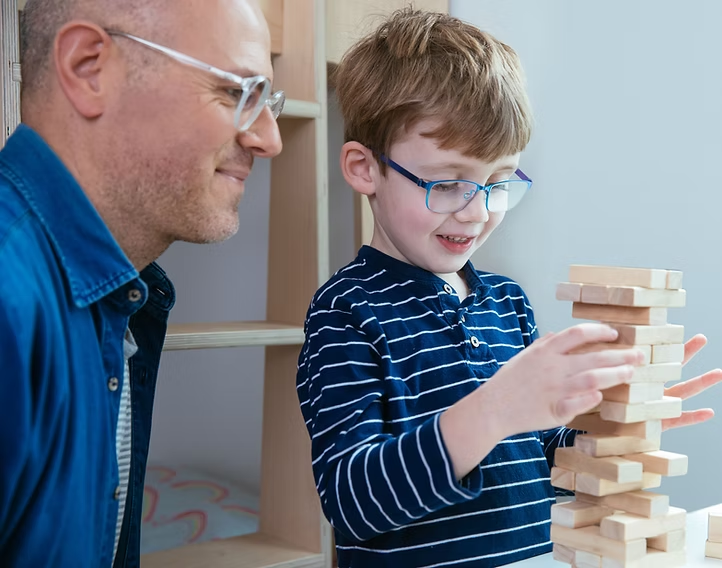
Some of the most important skills a child with autism needs to build are the ones that work in the real world—at home, in a grocery store, at a playground, and in a school hallway. When those skills are only practiced in a clinic, they do not always transfer. Home and community ABA brings behavior-analytic services into the environments where your child actually lives, so the work happens where the learning matters most. Summit Therapies provides home and community ABA throughout the Longwood, Orlando, and Central Florida area, with programs developed by Board Certified Behavior Analysts and delivered by trained clinicians who come to you.
Interested in home or community services? Call or text Summit Therapies at (407) 732-2487 or visit our contact page to get started.
What Home and Community ABA Looks Like
In a home-based program, a BCBA, Board Certified Behavior Analyst (BCaBA), or Registered Behavior Technician (RBT) comes to your home at scheduled times to work with your child. Sessions may happen in the living room, kitchen, backyard, or wherever the targeted skills are most relevant. The therapist practices a hygiene routine in the bathroom. The therapist works on a mealtime skill at the dinner table. A community outing might involve a trip to a store with the therapist present to support skill building in context.
Community-based sessions can also take place outside the home—a park, a library, a community center—depending on the goals being targeted. If your child’s insurance allows it and school administrators agree, services may also be provided in a school setting to support academic and social participation during the school day.
Skills Targeted in Home and Community Settings
Home and community ABA is especially well suited for children working on independent daily living skills. These are the practical tasks that determine how much support a child needs day to day, and they are often easier to build in the natural environment than in a clinic. Common skill areas include:
- Personal hygiene — brushing teeth, washing hands, bathing, grooming
- Household tasks — picking up, simple chores, following a home routine
- Meal and self-feeding skills — tolerating new foods, using utensils, preparing simple items
- Functional communication — asking for help, expressing needs, navigating unfamiliar social situations
- Community safety — crossing streets, behavior in public spaces, interacting with strangers appropriately
- School readiness and participation — following a schedule, managing transitions, working in a classroom
The BCBA develops a treatment plan based on a thorough assessment and updates goals as your child progresses. The team collects progress data every session so they can see what is working and adjust what is not.
The Role of Parents and Caregivers
Home and community ABA is built on caregiver involvement. Parents and caregivers are not just present during sessions — they are active participants. The BCBA team teaches caregivers the same strategies the therapists use so skill-building continues between sessions in daily life. This does not mean parents run a therapy program. It means the way you respond during everyday moments—a moment of distress, a morning routine, a request at the grocery store—becomes part of how progress happens.
Caregiver training is woven into the program from the start. If you have questions about how much time this involves or what it looks like in practice, that is exactly the kind of thing to ask about during your intake conversation. The team at Summit sets realistic expectations and makes sure families feel prepared.
Fill Out Our Intake Packet to Start Your Child's ABA Journey
How the Home and Center Programs Work Together
Home and community services and center-based therapy are not mutually exclusive. Some families use both. When a child receives services at the ABA Therapy Center and in the home, the BCBA team coordinates goals across settings so that progress in one environment reinforces progress in the other. This coordination is an advantage of working with a single provider—everyone works from the same plan.
If you are deciding between a home-based and center-based program, see the services overview page for a side-by-side breakdown. You can also read our blog post on center-based vs. home-based ABA for a more detailed comparison of who each approach tends to fit best.
Getting Started
The process begins when you reach out. Our administrative team will request insurance authorization on your behalf — we accept Cigna, HMTC, Florida Blue, Aetna, and StepUp for Students. Once authorization is in place, a behavior analyst will schedule a home visit, complete an intake and assessment, and recommend a service frequency and duration based on the assessment. You will not be handed a plan without an explanation of why it was designed that way.
Download intake forms and find additional family resources on our resources page. When you are ready to talk with someone, the contact page is the place to start.
Ready to bring ABA therapy into your home? Call or text us at (407) 732-2487 or use our contact page. Summit Therapies serves families in Longwood, Orlando, and throughout Central Florida.
Accepting Clients with the Following Insurances


Ready to Support Your Child’s Success?
Navigating the school year and daily routines can be challenging. Our expert clinical team is here to provide the structured, compassionate ABA therapy your child needs to thrive. Fill out the form or call us today to begin the intake process.
Phone: +1 (407) 732-2487
Email: summittherapies@gmail.com
Therapy Center: 1936 Boothe Cir FL 3275 Longwood, FL 32750