
Soft Skills Matter More Than ABCs
Starting school is a big step for any child. While knowing letters, numbers, colors, and other early academic concepts can be helpful, classroom success also depends on skills that are easy to overlook. A child may know their ABCs but still need help following directions, joining a group, waiting for a turn, communicating with teachers, or moving from one activity to another.
These important skills help children feel more comfortable and confident in structured learning environments. Building communication, independence, social interaction, and routine-based skills before school can make the transition easier for both children and families.
Children with autism may need additional practice and support to build these skills. At Summit Therapies, our individualized ABA therapy programs help children build meaningful skills that support participation at home, school, and in the community.
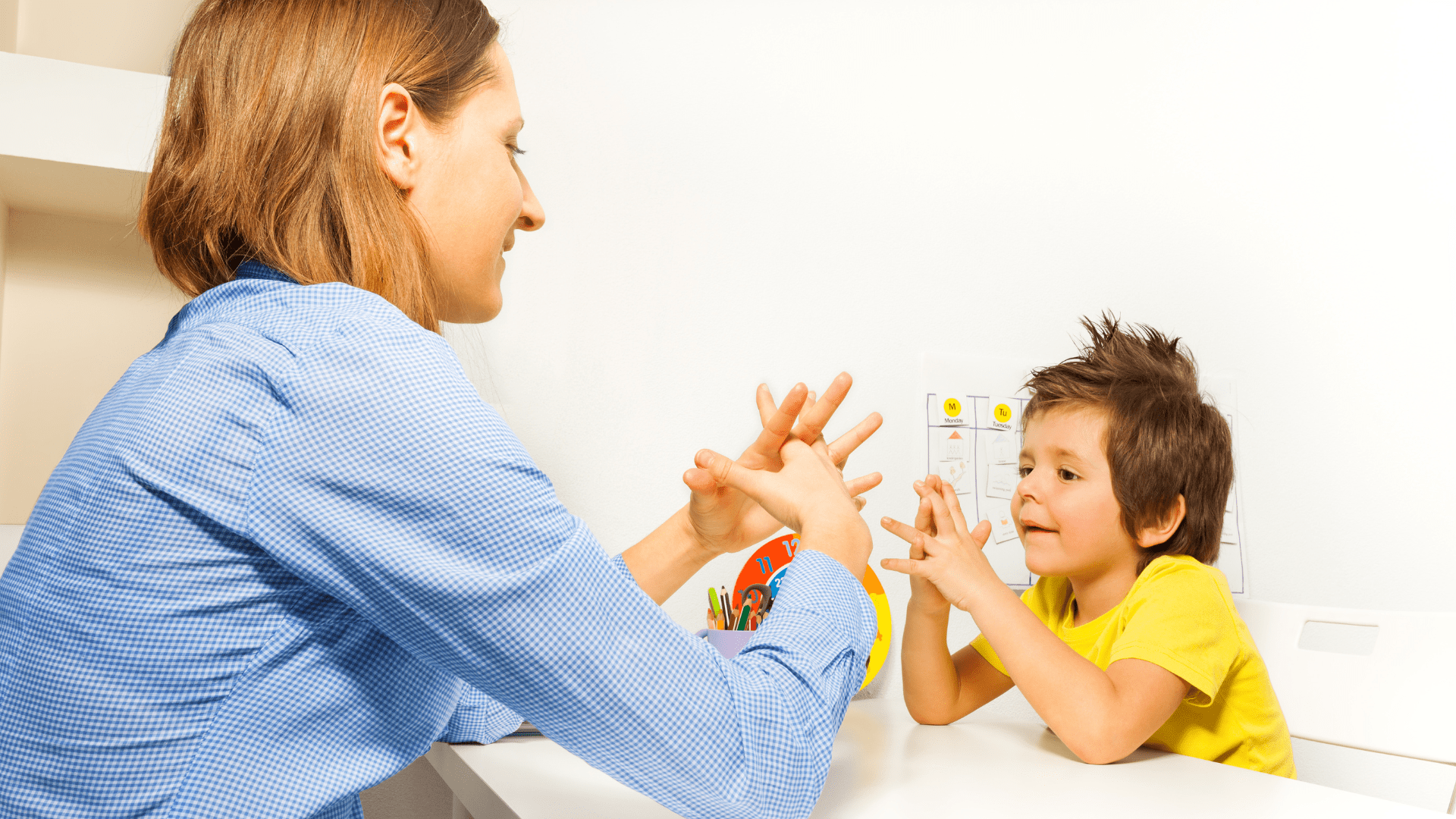
Why Soft Skills Are Important Before Starting School
When parents think about school readiness, academics often come to mind first. However, teachers spend much of the school day helping children learn routines, interact with classmates, follow instructions, and become independent learners.
For children with autism, these expectations may require additional support and practice. Developing strong foundational skills before entering school can help children feel more comfortable in new environments and participate more fully in classroom activities.
Some of the most important skills children need before school include:
- Following classroom directions
- Participating in group activities
- Communicating wants and needs
- Waiting and taking turns
- Transitioning between activities
- Working independently
- Managing personal belongings
- Asking for help when needed
These abilities create the foundation children need to learn, interact, and grow in a classroom environment.
Classroom Skills for Autistic Children Go Beyond Academics
A successful school experience depends on a child’s ability to participate throughout the day. Children need to listen during lessons, move between activities, communicate with teachers, and interact with classmates.
At Summit Therapies, ABA therapy supports classroom preparation by helping children practice skills such as:
Following Directions
Teachers regularly give instructions to individual students and entire groups. Children may need to listen, understand expectations, and begin a task.
ABA therapy can provide opportunities to practice:
- One-step directions
- Multi-step directions
- Responding to an adult’s request
- Completing structured activities
- Listening during group instruction
- Staying engaged with an activity
Practicing these skills in advance can help children become more comfortable responding to classroom expectations.
Transitioning Between Activities
A school day includes many transitions. Children may go from circle time to a table activity, from the classroom to the playground, or from lunch to another part of the school.
For children who prefer predictable routines, unexpected changes can be difficult.
Therapy can provide structured opportunities to practice moving between activities, following schedules, cleaning up, and preparing for what comes next. Over time, children can build greater flexibility and learn appropriate ways to respond when routines change.
Participating in Groups
Classrooms require children to participate around other students. They may sit during group instruction, follow directions with classmates, take turns, or participate in shared activities.
Center-based therapy can give children opportunities to practice these skills in a structured environment with support from their treatment team.
Communicating Needs
Communication is one of the most important parts of classroom participation.
Children need ways to communicate when they want something, need assistance, feel frustrated, want a break, or do not understand an activity.
Communication may involve spoken language, gestures, visual supports, or AAC when appropriate. Helping children communicate more effectively can reduce frustration and give them appropriate ways to participate in daily activities.
Important Non-Academic Skills for Children With Autism
Academic knowledge is only one part of school success. Children also need social, behavioral, and independence skills that help them participate throughout the day.
The Important non-academic skills for children with autism often include:
- Communicating needs and emotions
- Waiting patiently
- Following routines
- Staying engaged in activities
- Managing frustration
- Interacting appropriately with peers
- Completing tasks independently
These skills enable children to become active participants in their classrooms rather than feeling overwhelmed by daily expectations.
At Summit Therapies, we focus on meaningful skill development that supports children both inside and outside of therapy.
How ABA Therapy Builds School Readiness Skills
Applied Behavior Analysis, commonly known as ABA therapy, provides children with individualized support based on their unique strengths and developmental needs. ABA therapists create personalized treatment plans that focus on skills that matter most for each child.
Through structured learning opportunities, children practice skills in ways that connect to everyday life.
The goal is not simply for children to demonstrate skills during therapy sessions. The goal is for children to use those skills naturally at home, in school, and throughout the community.
Developing Independence Skills Before School
One of the most important aspects of school readiness is helping children complete tasks more independently. Teachers support many students at once, so children benefit from learning how to manage age-appropriate responsibilities before entering the classroom.
Building independence skills before school can help children feel more capable and confident.
Children may practice skills such as:
- Putting belongings in the appropriate place
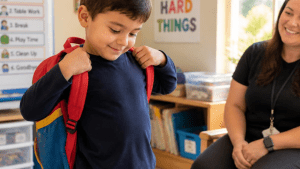
- Opening and closing a backpack
- Managing school materials
- Cleaning up after an activity
- Following a visual schedule
- Completing familiar tasks
- Washing hands
- Managing simple self-care routines
- Asking for help when necessary
These daily skills may seem simple, but they make a meaningful difference in how children participate in school.
Why Summit Therapies Focuses on More Than Academics
School readiness does not happen only during therapy. Parents have many opportunities to practice important skills during everyday routines.
Simple activities can create opportunities to build independence and communication, such as asking a child to put away belongings, follow a short sequence of instructions, choose between two options, or request help.
Consistency between therapy and home can also help children understand that skills are useful in different situations.
Families also receive ongoing collaboration and guidance through Parent Collaboration & Family Support, helping them reinforce important skills outside of therapy sessions.
Preparing Your Child for Success Beyond the Classroom
Knowing the ABCs is only one small part of school readiness. Children also need opportunities to communicate, interact, transition, follow routines, and become more independent.
For children with autism, developing these skills may require additional time, practice, and individualized support. Starting with the skills that matter most for your child’s everyday experiences can help create a stronger foundation for school participation.
If you are looking for autism school readiness support or ABA therapy in Orlando and Longwood, Summit Therapies can help you identify meaningful goals for your child and determine the next steps for your family.
Accepting Clients with the Following Insurances