
Life Skills Every Child Should Practice Before School at Summit Therapies

Starting school brings many exciting changes, but it also introduces new expectations for children. Parents often focus on academic preparation, such as learning letters, numbers, and colors, but children also need everyday skills that help them participate successfully in a classroom.

Following routines, managing personal belongings, communicating needs, and completing simple tasks independently all play an important role in school success. For children with autism, learning these skills before entering preschool or kindergarten can help create a smoother transition.

At Summit Therapies, our programs help children develop independence, confidence, and practical abilities that support success at school, at home, and throughout the community.

What Life Skills Help Children Prepare for School?

Life skills are the everyday abilities children use to take care of themselves, communicate with others, complete routines, and participate in their environment. These skills become especially important when children enter preschool or kindergarten and are expected to manage more activities with less one-on-one assistance.

Some important life skills to practice before school include:

  • Following simple and multi-step directions
  • Communicating wants, needs, and feelings
  • Asking for help
  • Managing personal belongings
  • Cleaning up after an activity
  • Completing familiar tasks independently
  • Participating in group activities
  • Waiting and taking turns
  • Transitioning between activities
  • Following a visual or verbal schedule
  • Practicing age-appropriate self-care


Not every child needs to work on the same skills. One child may need to practice opening a backpack and putting materials away, while another may need more support with communication, transitions, or group participation.

Summit Therapies creates individualized goals based on each child’s strengths, developmental needs, and current independence level.

Daily Routines to Practice Before Preschool

Daily routines are natural opportunities for children to practice independence. Families do not need to turn every routine into a formal lesson. Small, repeated opportunities can help children become more familiar with the steps involved in everyday activities.


Morning Routines

Mornings often require children to complete multiple steps before leaving for school. Practicing these steps can help children develop confidence and independence.

Children can work on:

  • Getting dressed
  • Brushing teeth
  • Gathering personal items
  • Putting on shoes
  • Following a morning schedule

Parents can gradually encourage children to complete familiar steps with less assistance as they become more comfortable with the routine.


Mealtime Skills

Preschool and kindergarten often include snack or lunch routines. Children benefit from practicing how to participate in mealtime activities independently.

Skills may include:

  • Opening containers
  • Using utensils
  • Cleaning up after eating
  • Communicating preferences
  • Sitting during meals

Children with feeding or nutritional concerns may need support from an appropriate medical or feeding specialist. ABA therapy can address appropriate functional skills within its scope when needed.


Cleanup and Organization

Children learn responsibility when they practice caring for their materials. Simple tasks like putting toys away or organizing supplies help children understand classroom expectations.

These routines build independence while preparing children for everyday school experiences.

How ABA Therapy Supports Independence

Applied Behavior Analysis, commonly known as ABA therapy, helps children learn meaningful skills through individualized instruction, positive reinforcement, and structured practice.

For children with autism, ABA therapy can support development in areas such as communication, social interaction, independence, and daily routines.

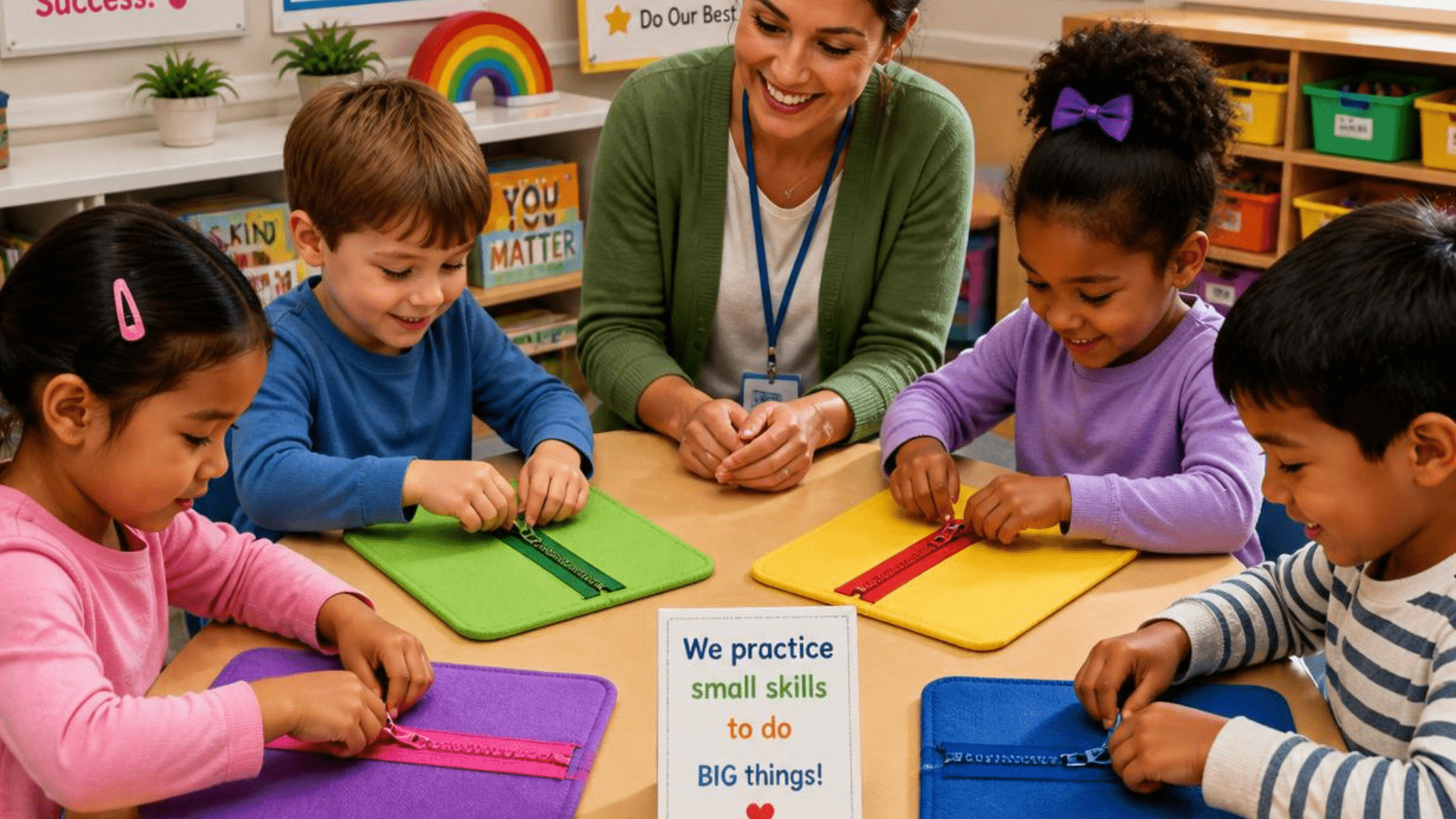
At Summit Therapies, therapists break larger skills into smaller steps that children can practice and master over time. This approach allows children to experience success while gradually becoming more independent.

ABA therapy may help children learn:

  • How to communicate their needs
  • How to complete tasks independently
  • How to follow classroom routines
  • How to interact with peers
  • How to manage transitions
  • How to participate in structured activities

The goal is not simply to teach a skill during therapy. The goal is to help children use those skills naturally in everyday situations.


Preparing Children for School Beyond Academics

Preparing children for school requires more than teaching academic concepts. Children also need the confidence and independence to participate in a learning environment.

At Summit Therapies, our school readiness approach focuses on skills that help children engage throughout the school day. This includes participating in group instruction, following directions, communicating with teachers, and building positive relationships with peers.

Parents can introduce transition practice through everyday routines. A child might practice finishing a preferred activity, cleaning up, checking what comes next, and moving to the next task.

Our Center-Based ABA Therapy environment provides opportunities for children to practice these skills in a structured setting that reflects many classroom experiences.

Children can practice:

  • Sitting during group activities
  • Following visual schedules
  • Moving between activities
  • Completing assignments
  • Asking for help
  • Working alongside peers

These experiences help children become more comfortable with the expectations they will encounter in school.

Supporting Families Through the Learning Process

Parents play an important role in helping children build independence. Skills learned during therapy become stronger when families have strategies they can use throughout everyday routines.

Through Parent Collaboration & Family Support, Summit Therapies works with families to provide updates, discuss progress, and share strategies for reinforcing skills at home.

Parents can practice important skills during normal daily activities, helping children understand that independence applies across different environments.

Helping Your Child Build Confidence Through Independence

Every child develops at their own pace, and preparing for school looks different for every family. Building independence, communication, and daily routines can help children feel more confident as they enter new environments.

At Summit Therapies in Longwood, we help children ages 2–12 build practical skills that support participation and independence. Our ABA therapy programs can address communication, daily routines, social skills, school readiness, and other individualized goals.

If you are looking for support with school readiness, independence, or daily living skills for your child, contact Summit Therapies today to schedule a consultation and learn how our team can help your child prepare for their next milestone.

Accepting Clients with the Following Insurances