
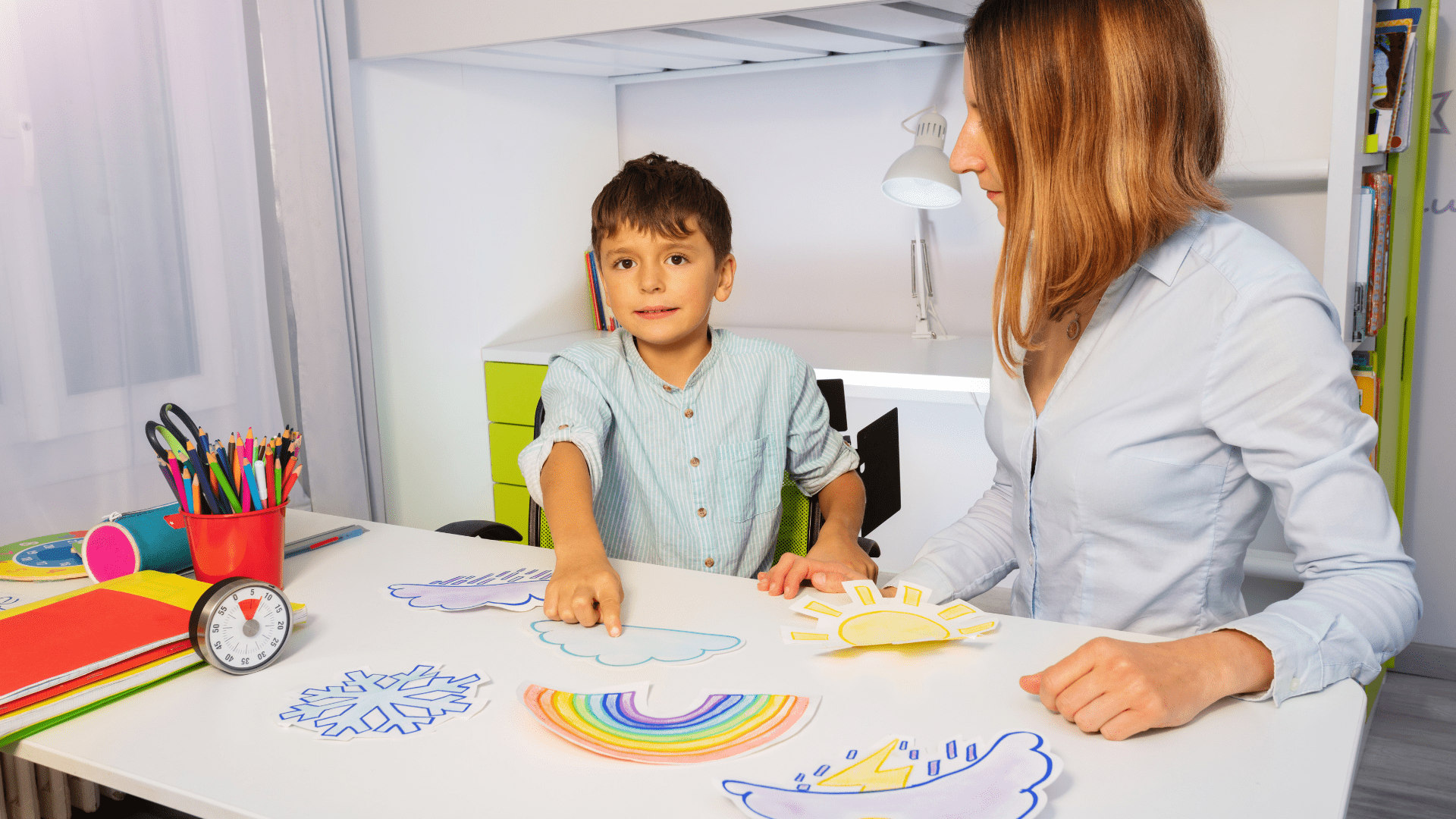

Understanding Behavior Through ABA Therapy

When a child has frequent tantrums, struggles with transitions, refuses directions, or displays aggressive behaviors, it is easy to feel overwhelmed or unsure how to respond. These moments can be stressful for the entire family, especially when the behavior seems unpredictable or happens repeatedly.

The good news is that behavior is often a form of communication. Many children with autism use behavior to express frustration, ask for help, avoid overwhelming situations, or communicate needs they cannot yet express with words. 

At Summit Therapies, we use ABA Therapy to look beyond the behavior itself and identify its causes. Understanding the reason behind a behavior is the first step toward helping a child develop healthier, more effective ways to communicate.

What Is Behavior Therapy for Autism?

Behavior therapy for autism focuses on understanding why behaviors occur rather than simply trying to stop them.

Every behavior serves a purpose. Whether a child is trying to gain attention, avoid a difficult task, communicate discomfort, or access something they enjoy, there is usually a reason behind their actions.

By identifying the purpose of a behavior, therapists can teach new skills that allow children to meet those same needs in more appropriate ways.

Rather than viewing behaviors as something to punish, ABA therapy views them as opportunities for learning and growth.

Why Challenging Behaviors Happen

Many behaviors that concern parents are rooted in everyday challenges children experience.

Some children struggle to communicate what they need. Others become overwhelmed by changes in routine, loud environments, or unexpected situations.

Common behaviors may include:

  • Tantrums
  • Aggression
  • Difficulty with transitions
  • Refusing tasks
  • Crying or yelling
  • Running away from activities
  • Throwing objects
  • Self-injurious behaviors
  • Difficulty waiting or sharing


While these behaviors can be difficult, they often communicate that a child needs additional support rather than punishment.

Behavior Is Communication

One of the most important concepts parents learn through ABA therapy is that behavior often communicates something a child cannot yet express verbally.

For example, a child may become upset because they:

  • Cannot communicate what they want
  • Feel overwhelmed by sensory input
  • Need help completing a task
  • Want to avoid something difficult
  • Need a break
  • Feel frustrated by a change in routine


Once therapists understand the purpose behind a behavior, they can begin teaching more effective communication skills that replace those behaviors over time.


How Applied Behavior Analysis Identifies the Cause

Every child is different, which is why applied behavior analysis does not rely on assumptions.

Instead, therapists carefully observe patterns and collect information to understand:


When does the behavior happen?

Therapists look for patterns throughout the day to identify situations that consistently trigger behaviors.


What happens before the behavior?

Understanding what occurs immediately beforehand helps identify possible triggers.


What happens afterward?

The response a child receives after a behavior may unintentionally reinforce it. Understanding these responses helps therapists develop more effective intervention strategies.


This process allows Summit Therapies to create individualized treatment plans instead of using the same approach for every child.

Positive Behavior Support Builds Long-Term Success

Positive behavior support focuses on encouraging desired behaviors instead of relying on punishment.

Children learn best when they experience success and receive positive reinforcement for using appropriate skills.

This may include praise, preferred activities, or other meaningful rewards that motivate learning.

Positive reinforcement helps children understand which behaviors are successful, builds confidence, and encourages continued progress.

When Additional Support May Be Needed

While many behaviors respond well to ABA therapy, some concerns may have medical, developmental, or sensory causes that require additional evaluation.

For example, significant feeding difficulties, sleep disturbances, or certain medical concerns may benefit from support outside of behavioral therapy.

When appropriate, Summit Therapies collaborates with trusted healthcare providers and specialists to recommend services such as feeding clinics, sleep studies, speech therapy, occupational therapy, or medical evaluations.

Our goal is always to ensure each child receives the care that best supports their overall development.

Understanding Behavior Creates Better Outcomes

When parents understand that behavior is communication, challenging moments begin to look different. Instead of asking how to stop a behavior, families begin asking what their child is trying to communicate. That shift creates opportunities for learning, growth, and stronger relationships.

Through positive behavior support and individualized behavior analysis, Summit Therapies helps children develop healthier ways to communicate while building confidence, independence, and emotional regulation. We also recognize when additional medical or specialized services may be appropriate and work closely with trusted providers to ensure every child receives the support they need.

If your family is looking for compassionate ABA therapy in Orlando, Longwood, or the surrounding communities, Summit Therapies is here to help. Contact us today to learn how our individualized treatment plans can help your child build meaningful skills and create positive, lasting change.

Accepting Clients with the Following Insurances