
Helping Siblings Understand Autism

When a child is diagnosed with autism, the entire family begins a new journey together. While parents often focus on therapy appointments, evaluations, and daily routines, brothers and sisters are also adjusting to these changes. 

Many parents want to know the best way to explain autism to their other children without creating confusion or fear. Open conversations and age-appropriate explanations can strengthen relationships and help siblings better understand one another.

At Summit Therapies, we believe helping siblings understand autism is an important part of creating a supportive home environment. When families work together and encourage empathy, communication, and patience, every child benefits from stronger relationships and greater confidence.

Why Siblings Need Support Too

An autism diagnosis affects more than one child. Brothers and sisters often notice changes in family schedules, routines, and attention long before they fully understand why those changes are happening.

Some siblings may feel curious about therapy appointments. Others may wonder why their brother or sister communicates differently or needs extra help with daily activities. Without honest conversations, children may create their own explanations that lead to confusion or worry.

Taking the time to answer questions and to include siblings in age-appropriate discussions helps build trust and strengthen family relationships.

How to Start Explaining Autism to Siblings

Many parents worry about saying the wrong thing when explaining autism to siblings. The best approach is usually the simplest one.

Children do not need complicated medical explanations. Instead, they need language they can understand, appropriate to their age and maturity.

For example, parents might explain that everyone learns differently and that their sibling’s brain works in a unique way. They may need extra help learning certain skills, but they also have many strengths and abilities.

Keeping the conversation positive helps children understand that autism is simply one part of who their sibling is.

Encourage Questions

Children often continue asking questions as they grow.

That is healthy and expected.

Instead of trying to answer everything during one conversation, encourage ongoing discussions where siblings feel comfortable sharing their thoughts.

Questions might include:

  • Why does my brother go to therapy?
  • Why doesn’t my sister like loud noises?
  • Why does my sibling need extra help?
  • Will autism ever go away?
  • How can I help?


Answering these questions honestly while using simple language helps children build understanding over time.


Focus on Strengths Along With Challenges

One of the best ways to help siblings understand autism is to recognize both challenges and strengths.

Children should understand that everyone has things they do well and things that require extra practice.

You might point out strengths such as:

  • Creativity
  • Strong memory
  • Love for favorite interests
  • Honesty
  • Attention to detail
  • Unique problem-solving abilities
  • Kindness


Balancing conversations this way encourages respect rather than pity.

Teach Empathy Instead of Responsibility

Older siblings sometimes want to help their brother or sister, which can be a wonderful part of family life.

However, it is important that children do not feel responsible for becoming caregivers.

Instead, encourage empathy by teaching siblings to:

  • Be patient
  • Celebrate successes
  • Encourage communication
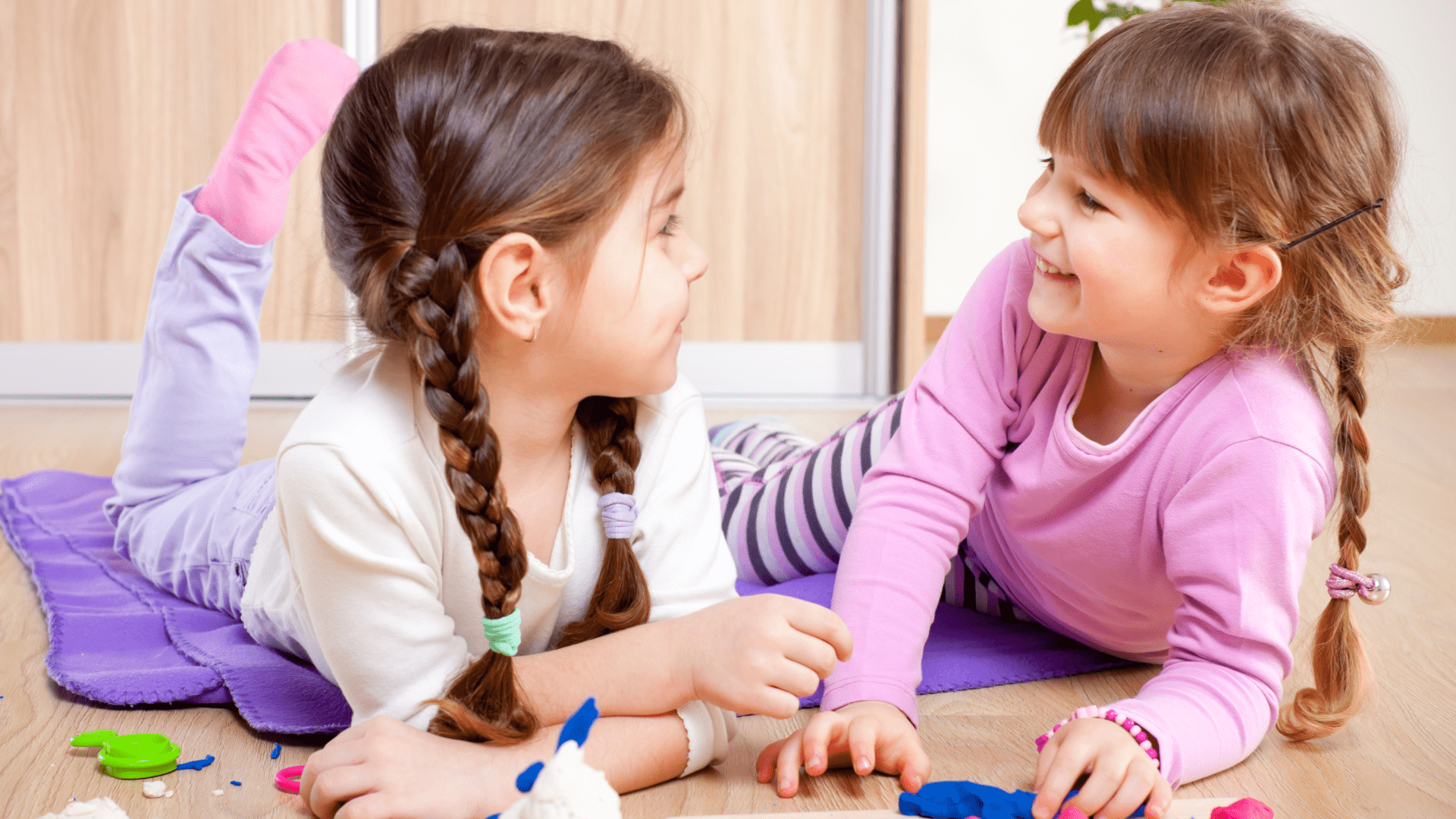
  • Include their sibling during play
  • Respect individual differences


Children should feel proud of supporting one another without feeling responsible for managing therapy or behavior.

Family Support Strengthens ABA Therapy

Successful ABA therapy extends beyond the therapy center.

When parents, siblings, and therapists work together, children often have more opportunities to practice communication, social interaction, and daily living skills across different environments.

This is one reason family supports autism so effectively. Every positive interaction at home reinforces the skills children are learning during therapy.

At Summit Therapies, parent collaboration is an important part of every child’s treatment plan. We work closely with families to provide guidance that helps children apply new skills both inside and outside the therapy center.

Strong Families Grow Together

An autism diagnosis may bring new experiences and challenges, but it also creates opportunities for families to grow closer together. By helping siblings understand autism, encouraging honest conversations, and creating opportunities for positive relationships, parents can build a home where every child feels supported and valued.

At Summit Therapies, we believe family involvement plays an important role in every child’s success. Our team is committed to partnering with parents throughout Oviedo, Orlando, and surrounding communities to help children build meaningful skills while strengthening family relationships. If you would like to learn more about our compassionate, family-centered ABA therapy programs, contact Summit Therapies today to schedule a consultation.

Accepting Clients with the Following Insurances