
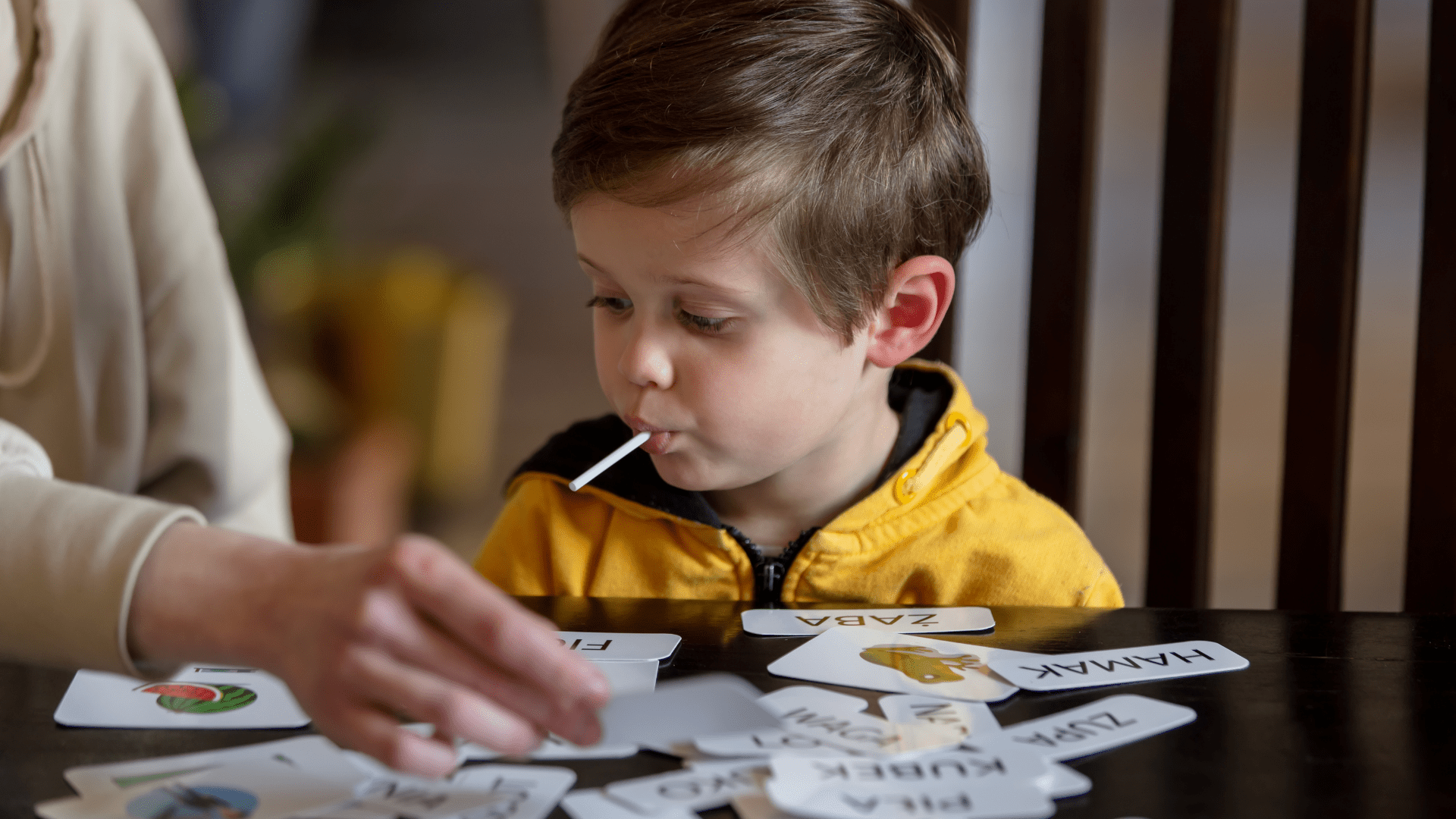

What Age Is Best to Start ABA Therapy?
Noticing that your child is developing differently can bring many questions. You may wonder whether they are ready for therapy, whether they are too young to begin, or whether you have waited too long to seek support.
The good news is that there is no single age that determines whether a child can benefit from ABA therapy. While early intervention for autism often provides more opportunities to build foundational skills during the early years, children can continue learning and making meaningful progress as they grow.
At Summit Therapies, we provide individualized ABA therapy for children ages 2 through 12. Every child receives a personalized treatment plan based on their goals rather than their age alone. Our compassionate team is here to help.
What Age Is Best to Start ABA Therapy?
Many parents ask, what age is best to start ABA therapy? The answer depends on your child’s individual development, but research consistently shows that early support can provide important opportunities for learning during the years when children are rapidly developing communication, social, and daily living skills.
That does not mean older children cannot benefit from ABA therapy. Children continue learning throughout childhood, and individualized therapy can help build new skills at many different ages.
The goal is not simply to begin therapy as early as possible. The goal is to begin when your child shows signs they may benefit from additional support.
Why Early Intervention Matters
During the first several years of life, children experience significant brain development. This makes early childhood an important time to build communication, social interaction, independence, and learning skills.
Autism early intervention focuses on helping children develop these foundational abilities before challenges become larger obstacles in everyday life.
Early intervention may help children improve:
- Communication skills
- Social interaction
- Play skills
- Daily routines
- Emotional regulation
- Independence
- Classroom participation
- School readiness
Developing these skills early can make transitions into preschool and kindergarten feel smoother for both children and their families.
Is There a Best Age for ABA Therapy?

Many parents search for the best age for ABA therapy because they want reassurance that they are making the right decision.
The reality is that every child develops differently.
Some children begin ABA therapy shortly after receiving an autism diagnosis as toddlers. Others may not begin until preschool or elementary school when social expectations and classroom routines become more challenging.
At Summit Therapies, we focus less on age and more on developmental needs. If a child is struggling with communication, transitions, independence, or social interaction, ABA therapy may provide meaningful support regardless of whether they are three, six, or ten years old.
How ABA Therapy Changes as Children Grow
ABA therapy looks different depending on a child’s age, developmental stage, and individual goals.
Ages 2 Through Preschool
Young children often focus on foundational developmental skills that prepare them for future learning.
Goals may include:
- Building communication
- Increasing social interaction
- Learning through play
- Developing attention skills
- Following simple routines
Many children also begin developing the independence skills needed for preschool and kindergarten.
School-Age Children
As children grow older, therapy often shifts toward skills that support success in the classroom and everyday life.
These goals may include:
- Following classroom routines
- Participating in group instruction
- Building friendships
- Increasing independence
- Completing daily living tasks
- Strengthening emotional regulation
Therapy continues to evolve as children meet goals and develop new skills.
Every Child Deserves an Individualized Plan
No two children learn exactly the same way.
Every treatment plan is built around meaningful goals that support success at home, in school, and throughout the community.
Children may work on:
- Communication
- Social skills
- Daily living skills
- School readiness
- Independence
- Emotional regulation
- Family routines
This individualized approach helps children build skills that are relevant to their everyday lives.
Why Families Choose Summit Therapies
Families throughout Oviedo and the greater Orlando area choose Summit Therapies because we provide compassionate, individualized care focused on long-term success.
Our center-based ABA therapy program provides children with opportunities to practice skills in a structured environment that closely mirrors the routines they will encounter in school.
Families appreciate that we offer:
- Individualized therapy plans
- Children ages 2 through 12
- Center-based ABA therapy
- Parent collaboration and monthly progress reviews
- School readiness programs
- A warm, welcoming environment
- No waitlist for eligible families
Our goal is to help every child build confidence while supporting families throughout the therapy journey.
Starting at the Right Time for Your Child
There is no perfect age that guarantees success. Instead, the best time to begin ABA therapy is when your child can benefit from individualized support to build communication, independence, and everyday life skills.
Whether your child is just beginning to show developmental differences or has already started school, meaningful progress is possible with the right plan and the right team.
At Summit Therapies, we evaluate every child individually and create personalized ABA therapy programs based on developmental needs rather than age alone.
Accepting Clients with the Following Insurances