Why Social Skills Matter for Children With Autism

Social skills affect many areas of a child’s everyday life. Children use them when playing with siblings, participating in preschool or school, attending family gatherings, visiting the playground, and taking part in community activities.

Some children naturally develop these skills through everyday interactions. Others may need more direct instruction and repeated opportunities to practice.

Social skills for children with autism may include:

  • Responding when someone speaks to them
  • Initiating an interaction
  • Asking for help
  • Sharing toys and materials
  • Taking turns
  • Waiting appropriately
  • Joining a group activity
  • Following group directions
  • Participating in cooperative play
  • Communicating wants and needs
  • Understanding simple social expectations
  • Staying engaged during an activity


Developing these skills can make it easier for children to participate in activities with peers and adults.

Learning the Foundations of Social Interaction

Social skills are built on a series of foundational behaviors that many children need support developing. These skills are essential for successful interaction with peers and adults in everyday situations.

Our team may work with children on skills such as:

Taking Turns

Turn-taking is an important part of play and group activities. Children may practice waiting while another person has a turn and recognizing when it is their opportunity to participate.

Sharing

Sharing materials can be challenging for young children, particularly when they are highly interested in a particular toy or activity. Structured practice can help children learn how to share materials while communicating what they want.

Waiting

Children encounter situations where they cannot immediately access an item, activity, or person. Learning to wait appropriately can support participation at school, home, and in the community.

Following Group Directions

Classrooms and group activities often require children to listen to instructions given to several children at once. Practicing group directions can help prepare children for structured learning environments.

Communicating With Others

Communication is central to social interaction. Children need ways to request, respond, make choices, ask for assistance, and express their needs.

Communication goals may involve spoken language, gestures, visual supports, or AAC when appropriate.

Practicing Peer Interaction in a Supportive Environment

Making friends and interacting with other children involves more than simply being near peers. Children need opportunities to learn how to join an activity, respond to another child, maintain an interaction, and handle unexpected situations.

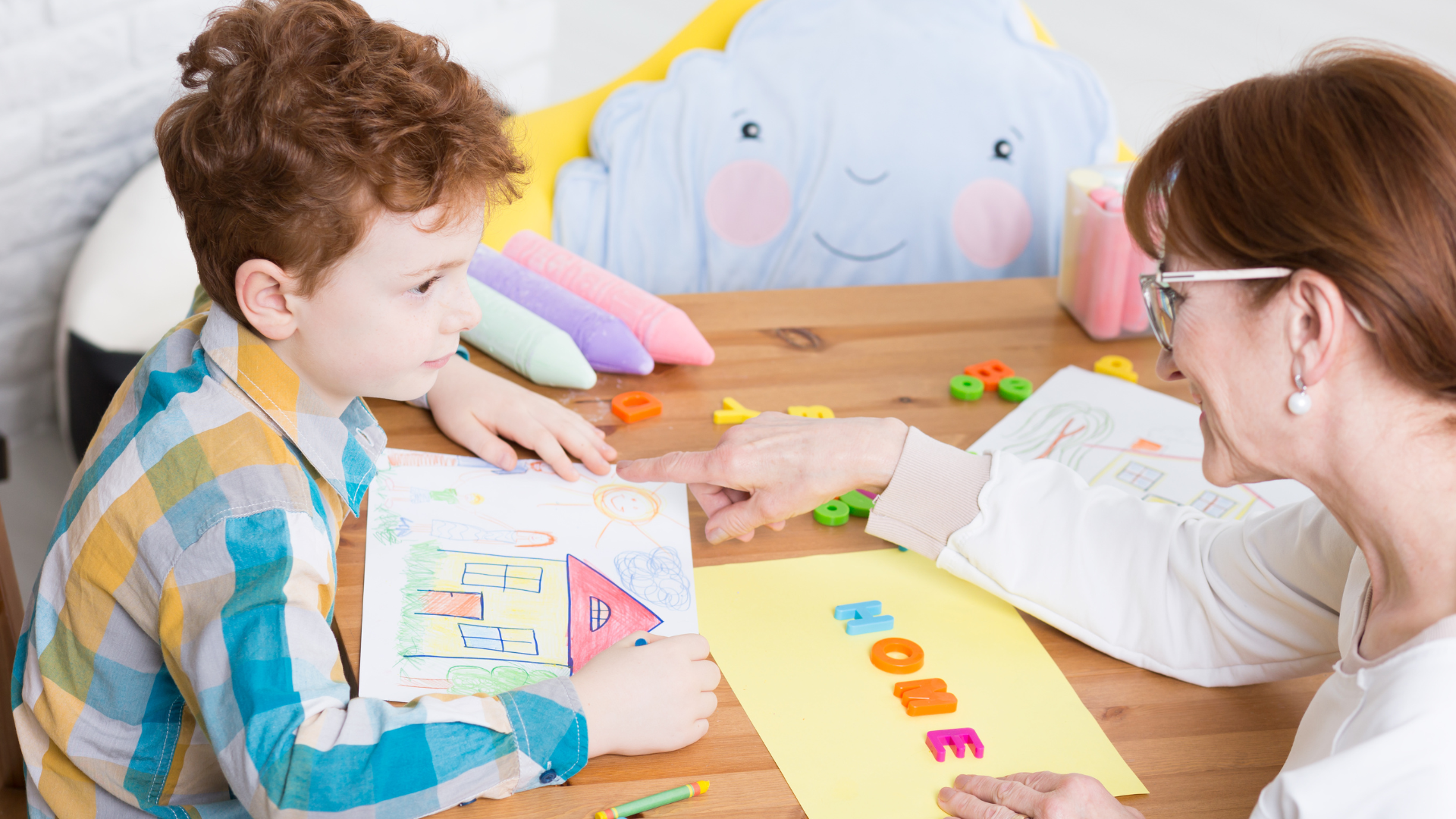
At Summit Therapies, children participate in guided group learning sessions where they can safely practice these interactions. Therapists provide support when needed while encouraging children to try new skills and build independence in social situations.

The goal is not to force children into social interactions. Instead, they can develop practical communication and interaction skills that help them participate in ways that feel meaningful and comfortable.

Building Skills for Everyday Life

Social skills are not only important for school. They are also essential for everyday experiences such as family gatherings, playground interactions, and community activities. Children who feel comfortable in social settings are more likely to participate, engage, and build relationships with others.

Parents receive updates on skill development, progress in group settings, and recommendations to support social growth at home. Families are also encouraged to reinforce social skills in everyday situations, helping children apply what they learn in therapy to real life.

Summit Therapies helps children build these foundational abilities in a structured, supportive environment. Through repeated practice and guided support, children learn how to navigate social situations with greater confidence and success.

Helping Your Child Connect and Thrive

Social skills can open more opportunities for children to participate in activities, communicate with others, and build relationships.

For children with autism, learning these skills may require intentional teaching, repetition, and support. With individualized ABA therapy and opportunities for guided group learning, children can practice skills at a pace that matches their needs.

Summit Therapies helps children in Longwood, Orlando, and surrounding Central Florida communities build practical social and communication skills that can support participation at home, at school, and in the community.

If you are looking for social skills therapy for children with autism or want to learn more about how ABA therapy can support your child’s peer interaction and group learning, contact Summit Therapies to discuss your family’s needs.