
How Communication Challenges Affect Behavior

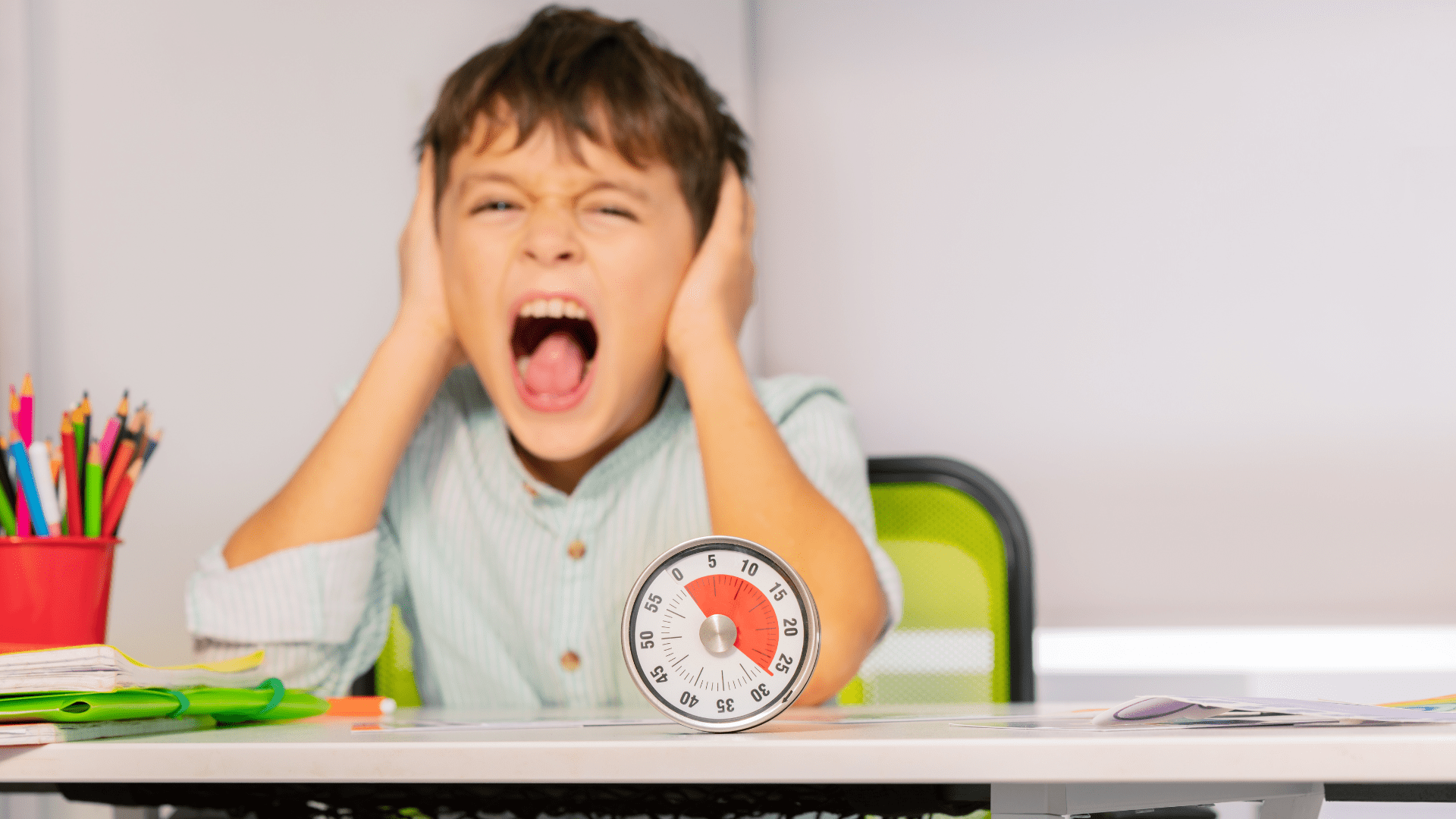
Parents often notice challenging behaviors before they recognize communication difficulties. A child may cry when they want help, refuse simple tasks, throw objects when frustrated, or become upset during everyday routines. 

When a child cannot express their wants, needs, feelings, or discomfort, behavior may become their primary way of communicating. What appears to be defiance or frustration is often an attempt to express something they cannot yet say with words or gestures.

At Summit Therapies, we help families understand the connection between behavior and communication through individualized ABA therapy. By teaching functional communication skills and supporting each child’s unique learning style, we help children express themselves more effectively, reduce frustration, and build confidence.

Understanding the Connection Between Behavior and Communication

Every behavior has a purpose.

Children communicate in many different ways, including spoken language, gestures, facial expressions, pointing, picture systems, and communication devices. When those methods are limited or still developing, behavior often fills the gap.

For example, a child may:

  • Cry because they cannot ask for help
  • Run away from a task they do not understand
  • Throw a toy because they cannot explain they are frustrated
  • Refuse an activity because they cannot communicate discomfort
  • Become upset during transitions because they cannot express uncertainty


Understanding why these behaviors occur allows parents and therapists to focus on teaching communication instead of simply reacting to the behavior itself.

Why Communication Difficulties Can Lead to Challenging Behaviors

Communication affects nearly every part of a child’s daily life.

Children use communication to:

  • Ask for what they need
  • Express emotions
  • Make choices
  • Build friendships
  • Follow directions
  • Ask questions
  • Solve problems
  • Participate at school


When these skills are difficult to apply, everyday situations can become frustrating.

Rather than viewing behaviors as “bad,” it is often more helpful to ask what the child is trying to communicate.

This shift in perspective allows families to respond with empathy while teaching new skills.

How ABA Therapy Builds Communication Skills

One of the primary goals of ABA therapy is helping children communicate more effectively.

Rather than focusing only on reducing behaviors, therapists teach replacement skills that allow children to express themselves in appropriate and meaningful ways.

Some of the ABA communication skills children may develop include:

Requesting Needs

Children learn to ask for preferred items, activities, or assistance rather than becoming frustrated.


Asking for Breaks

Learning to request a break helps children manage overwhelming situations before their behavior escalates.


Making Choices

Being able to communicate preferences helps children feel more confident and engaged.


Expressing Feelings

Children learn age-appropriate ways to communicate emotions, discomfort, or frustration.


Following Conversations

As communication develops, children often become more successful participating in everyday interactions with parents, teachers, and peers.


Supporting Children Who Use AAC Devices

Not every child communicates through spoken language.

Some children benefit from Augmentative and Alternative Communication, often called AAC.

AAC may include:

  • Picture communication systems
  • Speech-generating devices
  • Tablet-based communication apps
  • Communication boards
  • Sign language


At Summit Therapies, therapists support children who use AAC devices by incorporating those communication methods into daily learning activities whenever appropriate.

The goal is not simply teaching a device. The goal is helping children communicate successfully in meaningful, everyday situations.

Collaboration With Speech Therapy

Communication development often benefits from a team approach.

When appropriate, Summit Therapies works alongside speech-language professionals to support each child’s communication goals.

ABA therapy focuses on helping children use communication effectively during everyday routines and activities, while speech therapists may address other aspects of speech and language development.

By collaborating with other professionals, children receive coordinated support that encourages consistent progress across multiple environments.

Every Child Communicates Differently

No two children communicate the same way.

Some children begin using spoken language quickly. Others communicate through gestures, pictures, or AAC devices.

At Summit Therapies, we focus on helping every child communicate using the method that best supports their individual needs.

Communication is never about using one specific approach. It is about helping children express themselves successfully, participate in daily life, and build meaningful relationships.

Helping Your Child Find Their Voice

Communication is about much more than speaking. It is about giving children the ability to express their needs, build relationships, solve problems, and participate confidently in everyday life.

When parents understand the connection between behavior and communication, they can respond to behavior with greater understanding while encouraging meaningful communication skills. Through individualized ABA therapy, Summit Therapies helps children develop the tools they need to communicate more effectively and reduce frustration.

If your family is looking for personalized ABA therapy in Orlando, Longwood, or the surrounding communities, contact Summit Therapies today to learn how our team can support your child’s communication and overall development.

Accepting Clients with the Following Insurances